


Image credit: Getty
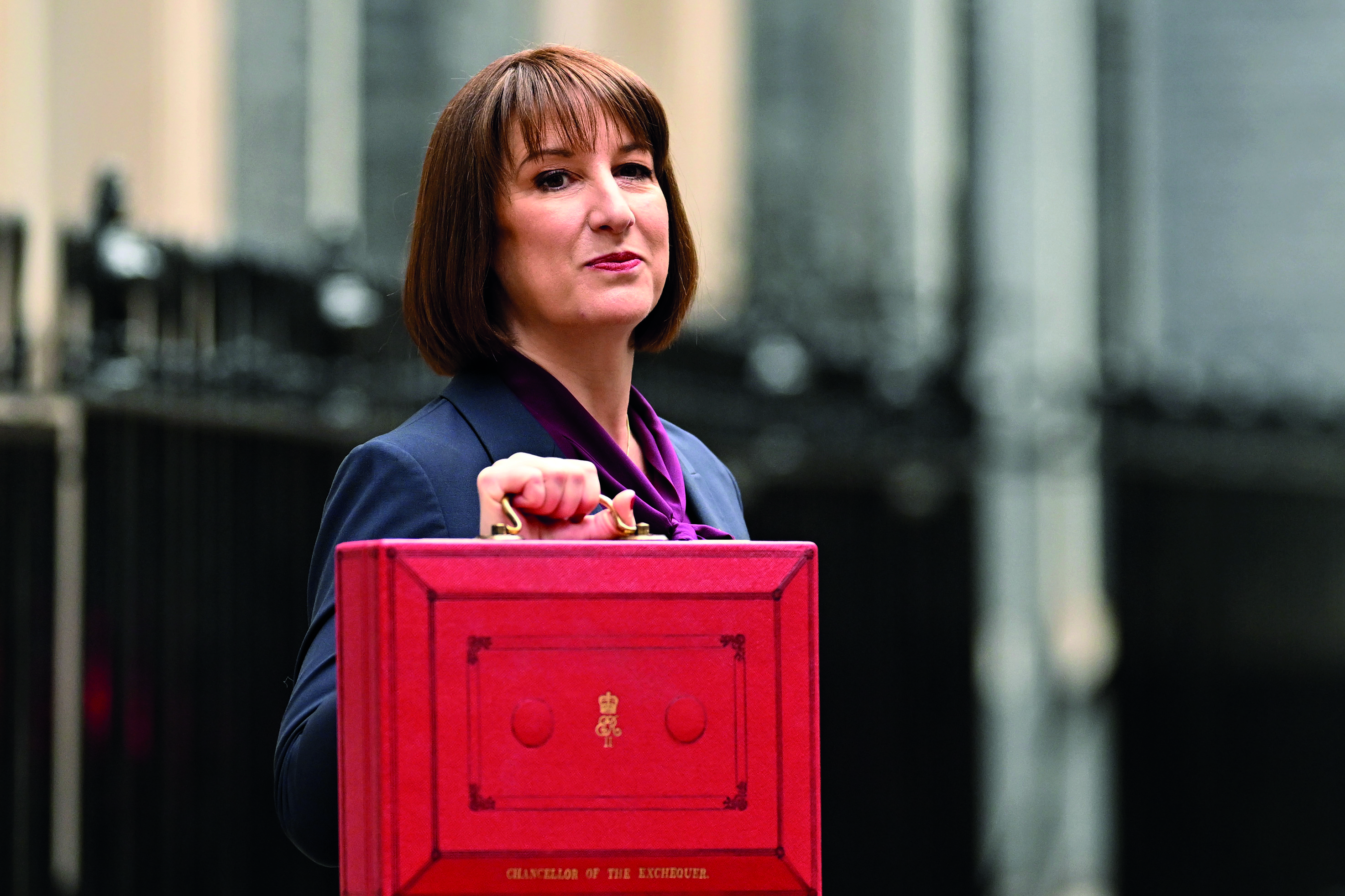
Rachel Reeves is obsessed with growth. In her Spring Statement speech, the chancellor mentioned the word 17 times. Her Budget speech this month will surely do similarly.
She said increasing capital spending by £2bn per year, pension reforms and the National Wealth Fund would drive growth, but warned there were “no shortcuts”. “It will take long-term decisions, it will take hard yards, it will take time for the reforms that we are introducing to be felt in the everyday economy,” she said.
Indeed there is no button marked ‘economic growth’ a government or the Treasury can push with a fiscal event. Just ask Liz Truss and Kwasi Kwarteng.
Their ill-fated mini-budget, at the time presented as ‘The Growth Plan’, was supposed to get the UK to a trend GDP growth rate of 2.5%. GDP did grow by 4.8% in 2022, but the economy was still recovering from the shock of Covid-19 and growth had all but stopped towards the end of the year when Truss was prime minister.
The mini-budget contained a raft of purportedly growth-boosting fiscal measures, the most significant of which added up to £45bn of unfunded tax cuts: cutting 1 percentage point from the basic rate, and 5 percentage points from the top rate, of income tax; reversing the recent increase in national insurance contributions; cancelling a planned corporation tax increase from 19% to 25%; and raising stamp duty thresholds.
Analysts at the National Institute of Social and Economic Research said at the time that the tax cuts, combined with energy bill relief also announced in the mini-budget, would lead to positive GDP growth in the fourth quarter of the year, but disagreed with Truss that the tax cuts would result in a trend of higher growth. Most measures were reversed after Truss resigned and Rishi Sunak became prime minister.
The Growth Plan set out five targets, to make the UK the place for: investment, skilled employment, infrastructure, home ownership and enterprise.
These targets, with some tweaking to the means hoped to achieve them (tax cuts of any kind, let alone £45bn and unfunded, appear unlikely) are not a million miles away from Keir Starmer’s approach. He and Reeves, then, might benefit from tempering near-term expectations.
Fiscal decisions might do better to focus on the less direct determinants of economic activity: housing costs, ill-health, education etc. ‘Tough on low growth, tough on the causes of low growth’, so to speak.
The UK’s high energy costs (industrial electricity prices including tax are higher than any EU country and more than 50% higher than the EU average, according to data published by the government) could also be holding back growth, and the government has fiscal levers to affect that.
And something Truss and Kwarteng never managed to enjoy could also prove to be important: stability. Private sector investment relies to a large extent on certainty and consistency of economic policy. Speculation in the build-up to the Spring Statement had a focus on tax: what was Reeves going to increase and for whom? After all, she has committed herself to “iron-clad” fiscal rules but given herself very little headroom against them, meaning when the economy changes fiscal policy has to react.
As Paul Johnson, who was at the time director of the Institute for Fiscal Studies, said: “We can surely now expect six or seven months of speculation about what taxes might or might not be increased in the autumn. There is a cost, both economic and political, to that uncertainty. The government will pay the political cost. We will suffer the economic cost.”
Now, as we near the end of those months of speculation that did indeed come to pass, we await Reeves’ decisions just as eagerly as she will be hoping for ensuing stability.