



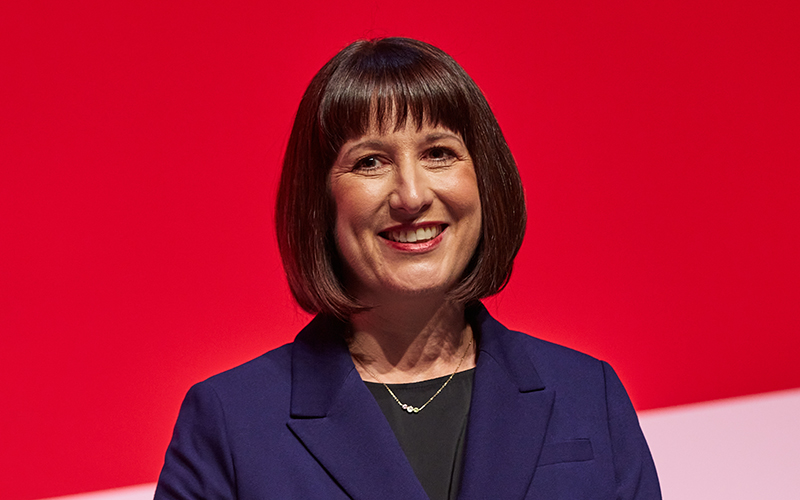
 An additional £370m has been allocated for the Northern Ireland Executive, £505m for the Welsh government and £820m for the Scottish government. In terms of devolved enterprise support, Wales was named the host of two “AI growth zones”, which Reeves said would create more than 8,000 jobs, supported by a £10m investment in the semiconductor sector.
The flexible funding announcement received a cautious welcome from Cllr Kevin Bentley, senior vice chairman of the Local Government Association.
“The Government has acted on LGA calls to provide greater financial certainty and a simpler funding system, which are hugely important for councils. While funding levels have increased in recent years, councils will be rightly anxious that today’s Budget does not provide the increase in funding they desperately need to ensure their financial sustainability, protect services, support local communities, and address national priorities.”
Meanwhile, the County Councils Network (CCN) warned that the measures would place additional pressure on councils to deliver vital services without a matching increase in funding.
“With the increase in the national living wage adding further pressure to their budgets and the government providing no new resources in return, our councils are facing even greater funding shortfalls over the next few years,” said CCN chair Cllr Matthew Hicks, who called on the government to “Look again at its funding reform proposals and set out a substantial increase in core funding for councils in the Local Government Finance Settlement to ensure the fair funding review does not lead to more councils requiring exceptional financial support.”
The OBR highlighted how the SEND spending ‘statutory override’, which allows local authorities to disregard deficits caused by financing SEND provision when meeting their requirement to balance budgets, is due to end in 2027-28.
“At this point the stock of these deficits is estimated to reach a total of £14 billion, and as a result many local authorities would likely be unable to meet their balanced budget requirement,” the OBR said, concluding that “The Government has not set out how this fiscal risk would be addressed.”
Hicks accepted that the commitment to fully fund SEND spending by 2028 was on face value, “A positive step in limiting councils’ exposure to unsustainable expenditure. But there remains uncertainty on SEND deficits, which we estimate could rise to £18bn by 2028.”